
The Payoff Notice Arrived but the Premium Didn't Change
You finished paying off your car six months ago. The title arrived, you filed it safely, and nothing about your driving changed. But your auto insurance premium at the last renewal looked exactly the same as when you carried a loan. Your carrier didn't call to suggest dropping collision. Your agent didn't mention that full coverage now protects equity you own, not a lender's interest. The policy renewed automatically with the same coverage stack you've carried for years.
Most New Jersey seniors keep collision and comprehensive coverage by inertia after payoff, unaware that the decision shifted the moment the lien disappeared. Full coverage made sense when the bank required it. Now it's a judgment call between premium cost and the vehicle's actual replacement value, and your carrier has no incentive to raise the question.
Compare rates from carriers that specialize in senior drivers
Mature driver discounts, low-mileage rates, and coverage reviews — see what you're actually eligible for.
Get Your Free QuoteNJ Bodily Injury Minimum Per Person
$15,000
New Jersey's liability floor is $15,000/$30,000 bodily injury and $5,000 property damage. Seniors with retirement assets often carry higher limits because the minimum leaves personal savings exposed in an at-fault accident.
N.J.S.A. 39:6B-1 (state motor vehicle liability insurance requirements)
What Full Coverage Actually Protects After Payoff
Collision coverage pays to repair your car after an accident you caused, up to the vehicle's actual cash value minus your deductible. Comprehensive covers theft, vandalism, weather damage, and animal strikes under the same actual-cash-value ceiling. Together they form what the industry calls full coverage, and lenders universally require them to protect the loan collateral.
Once you own the car outright, collision and comprehensive protect only your equity. If your 12-year-old sedan books at $4,200 and you carry a $500 deductible, the maximum check you'd receive after a total loss is $3,700. That's the coverage's upper boundary. If your annual collision and comprehensive premium runs $620 combined, you're paying roughly 15 percent of the vehicle's value every year to insure it against total loss.
Liability coverage is the nonnegotiable layer. It pays the other driver's bills when you cause an accident, and New Jersey requires it regardless of what you drive or whether you carry a loan. Bodily injury and property damage liability protect your retirement assets from a lawsuit. Medical payments coverage or PIP coordination with Medicare addresses your own injury bills. These layers stay regardless of your coverage decision on the vehicle itself.
You cannot resolve this question without knowing what your carrier charges for collision and comprehensive separately and what your vehicle would sell for today.
How to Calculate Whether Full Coverage Still Fits
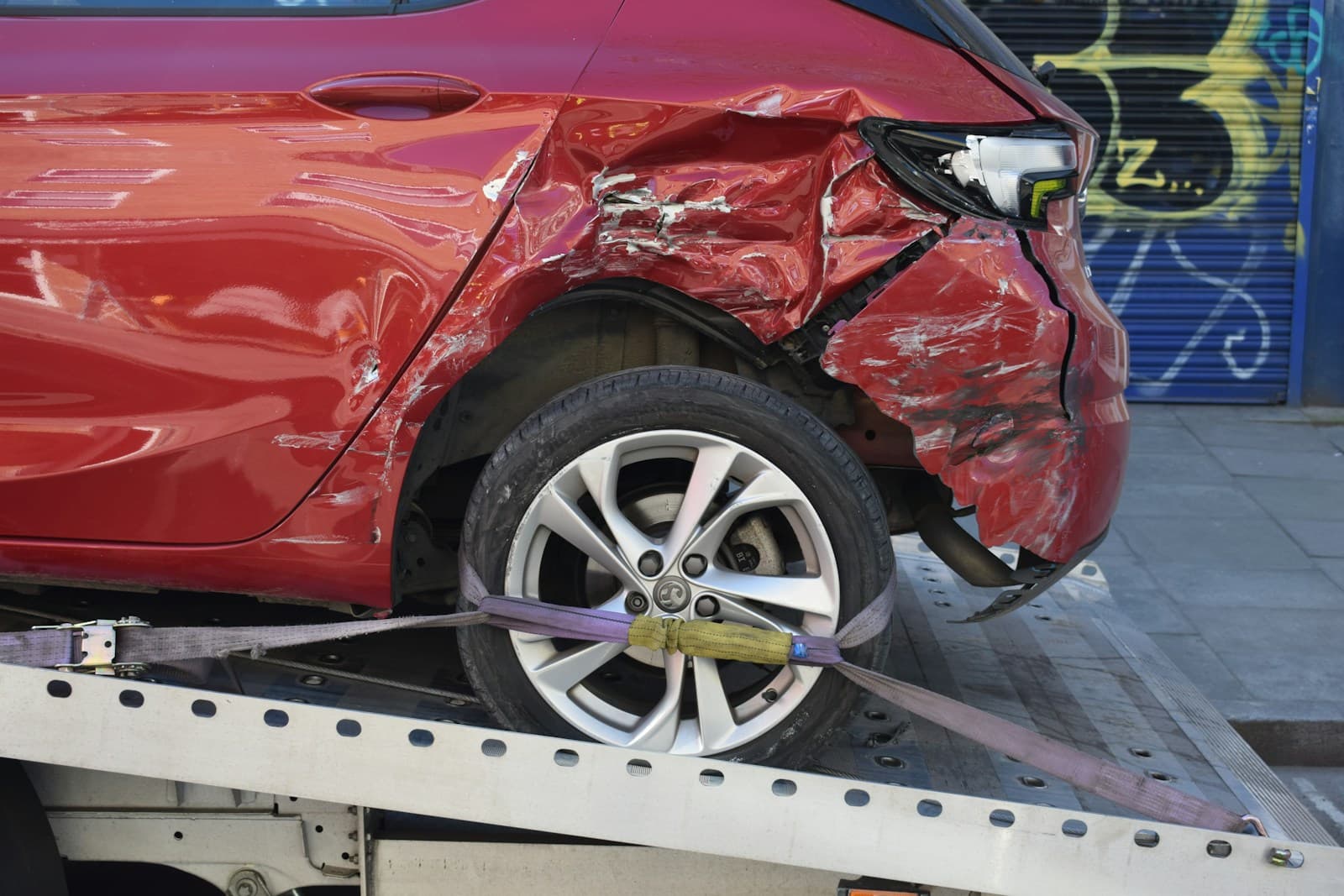
Request a declarations page from your carrier showing collision and comprehensive as separate line items, not bundled into a single premium total. Many seniors discover these two coverages combined cost more than they assumed because the figures were never broken out on the billing summary. Add the two premiums to get an annual collision-plus-comprehensive cost. Then look up your vehicle's actual cash value using your state's title valuation or an independent pricing guide; the number you want is trade-in value or private-party value, not retail, because that's the reference insurers use for total-loss settlements.
Compare the annual premium to the vehicle's value minus your deductible. If you're paying more than 10 percent of net recoverable value per year, the math tilts toward dropping collision and comprehensive and self-insuring the vehicle. If the car books at $3,800, your deductible is $500, and collision plus comprehensive runs $520 annually, you're paying 16 percent of the maximum check you'd ever receive. One total-loss claim breaks even; two years without a claim and you've paid more in premium than the coverage would return. That's the threshold where most financial planners suggest moving to liability-only unless the vehicle holds irreplaceable sentimental value or you lack savings to replace it outright.
Related Articles




What Happens When You Drop to Liability-Only
Removing collision and comprehensive leaves you with liability coverage, medical payments or PIP, and uninsured motorist protection. Your premium drops immediately at the next renewal or mid-term if you request the change now. The vehicle remains insured; you're simply no longer insuring it against physical damage to itself. If someone hits you and flees, your uninsured motorist property damage coverage may still apply depending on your policy's structure, but your own collision coverage no longer pays for damage you cause.
The failure mode seniors miss: you cannot retroactively add collision back after an accident. If you drop to liability-only in March and total your car in May, the vehicle's loss is yours to absorb. Revisiting the decision annually makes sense because vehicle values decline and premium costs shift, but the choice locks in at the moment of the accident.
One New Jersey quirk matters here: the state allows a Basic policy with lower liability limits and reduced PIP, marketed to budget-conscious drivers. Seniors moving to liability-only sometimes conflate the two decisions. Dropping collision is a vehicle-protection choice; switching to Basic reduces your liability limits and PIP structure, which has nothing to do with the car's value and everything to do with your asset exposure in an at-fault accident. The two decisions are independent. Most retirees with any meaningful savings should keep Standard liability limits even when dropping physical-damage coverage on an older car.
NJ Mature-Driver Discount Floor
5%
New Jersey requires every insurer to offer at least a 5 percent discount for completing a state-approved defensive driving course. The discount applies to the liability portion of your premium, and you qualify regardless of age; the mandate is course-based, not age-based.
N.J.A.C. 11:3-24.3 (every insurer shall provide >=5% for approved defensive driving course; age-neutral; enabling N.J.S.A. 17:33B-44.1)
Adjusting Liability Limits and Deductibles After You Drop Collision
Removing collision and comprehensive frees up premium dollars you can redirect. Some New Jersey seniors use the savings to raise their liability limits from the state minimum to $100,000/$300,000 or higher, better protecting retirement accounts and home equity in a serious at-fault accident. Others keep limits unchanged and bank the difference. The right move depends on your asset exposure and how much you drive.
If you kept collision but always carried a $500 deductible because the lender required it, consider whether a $1,000 deductible now makes sense. Doubling the deductible typically cuts collision premium by 15 to 25 percent. For a lightly driven paid-off car you plan to keep another three years, the higher deductible and lower annual cost may justify keeping collision coverage another cycle before dropping it entirely. The math is vehicle-specific, but the option exists.
When Full Coverage Still Makes Sense on a Paid-Off Car
If your vehicle's value sits above $8,000 and you lack accessible savings to replace it after a total loss, keeping collision and comprehensive remains the safer financial position. The coverage's job is to prevent a one-time loss from becoming a liquidity crisis. Seniors on a fixed income without an emergency vehicle fund are better off paying the annual premium than risking a scenario where one accident leaves them unable to drive and unable to afford replacement.
Comprehensive coverage alone sometimes justifies its cost even after collision is dropped. If you park outside in an area with frequent hail or high theft rates, comprehensive protects against non-collision losses unrelated to your driving. Dropping collision but keeping comprehensive is a valid middle position, particularly for retirees who drive infrequently and are unlikely to cause an accident but face environmental risks they cannot control. Ask your carrier to quote that structure separately.
Compare What Your Carrier Charges Against What Others Offer
Your current carrier has no obligation to tell you when coverage stops making financial sense. The renewal notice will show the same collision and comprehensive line items year after year until you remove them. Most New Jersey insurers writing standard auto policies offer mature-driver discounts, low-mileage programs, and usage-based options that reduce premium for drivers who no longer commute. Some handle liability-only policies more favorably than others for seniors with clean records.
Request a liability-only quote from your current carrier and compare it against quotes from at least two others writing in New Jersey. The state's mature-driver discount mandate means every insurer offers at least 5 percent off for course completion, but some exceed the statutory floor and others combine it with mileage-based pricing that benefits retirees. The comparison tells you whether your current carrier's pricing still fits your profile or whether switching after payoff makes sense alongside the coverage change. The decision is not one or the other; you can drop collision with your current insurer or move to liability-only with a new one. Compare both paths before your next renewal.