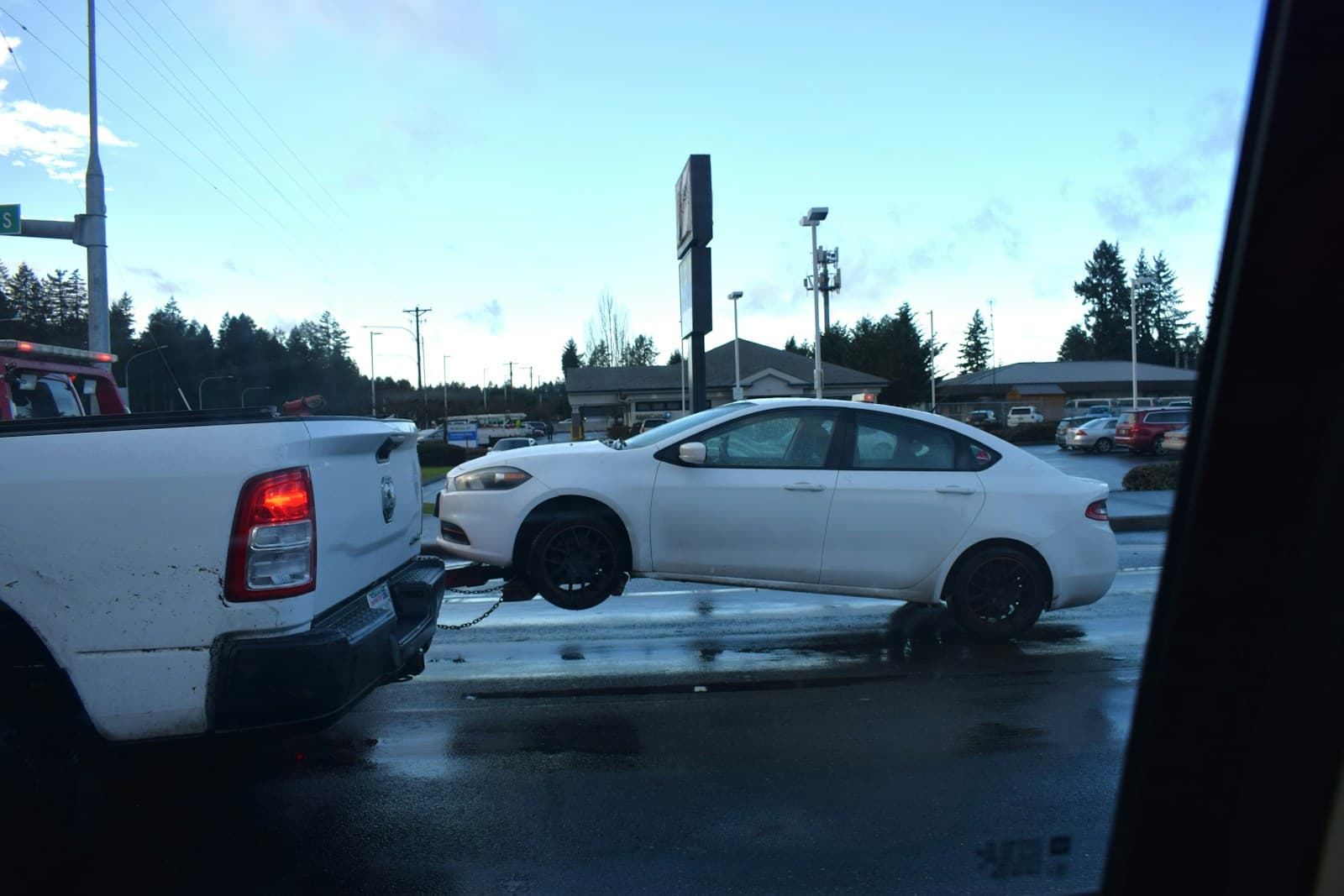
When the Car Is Paid Off but the Premium Isn't
You finished the final payment, the title arrived, and the next renewal notice quoted the same full-coverage premium as when the loan required it. The bank no longer forces comprehensive and collision, but the agent never mentioned dropping them. You're wondering whether those coverages still protect anything worth the annual cost on a car you now own outright.
Most retirees in Trenton face this decision at least once: the vehicle is paid off, the commute is gone, and Medicare already handles medical bills after an accident. The full-coverage premium now buys protection for a car whose replacement cost dropped while you kept paying the same rate. Whether collision and comprehensive still earn their cost depends on what you'd lose if the car were totaled tomorrow, not what you paid for it five years ago.
Compare rates from carriers that specialize in senior drivers
Mature driver discounts, low-mileage rates, and coverage reviews — see what you're actually eligible for.
Get Your Free QuoteNJ Minimum Bodily Injury Per Person
$15,000
New Jersey requires $15,000 bodily injury per person, $30,000 per accident, and $5,000 property damage as the liability floor. Retirees with retirement accounts, home equity, or investment assets exposed in an at-fault accident often carry liability limits far above the minimum to protect those assets.
N.J.S.A. 17:28-1.1 (motor vehicle liability security requirements)
What Full Coverage Actually Protects Once the Loan Is Gone
Full coverage bundles liability with collision and comprehensive. Liability covers damage you cause to others and remains mandatory regardless of whether you own the car outright. Collision pays to repair or replace your vehicle after an accident you caused or a single-car incident. Comprehensive covers theft, vandalism, weather damage, and animal strikes.
When the bank required full coverage, it protected the lender's interest in the collateral. Once you own the car outright, collision and comprehensive protect only you, and only up to the vehicle's current market value minus the deductible. A 2015 sedan worth $8,000 today with a $1,000 deductible means collision pays a maximum $7,000 if the car is totaled. Whether that $7,000 payout justifies the annual collision premium is the judgment call the renewal notice won't make for you.
Liability is different. The minimum limits protect the other driver's damages, not your assets. If you cause an accident that injures someone seriously or totals an expensive vehicle, the damages can exceed $15,000 quickly. Any amount beyond your liability limit comes from your retirement accounts, home equity, or other assets a judgment creditor can reach. Retirees often carry $100,000/$300,000 or $250,000/$500,000 liability limits because the risk is not the car's value but the retirement assets an at-fault accident exposes.
The informational gap: collision protects the car's replacement cost; liability protects your retirement assets. Dropping collision to save premium makes sense when the car's value is low, but cutting liability to the minimum exposes everything you've saved if the accident is your fault.
The Collision and Comprehensive Decision
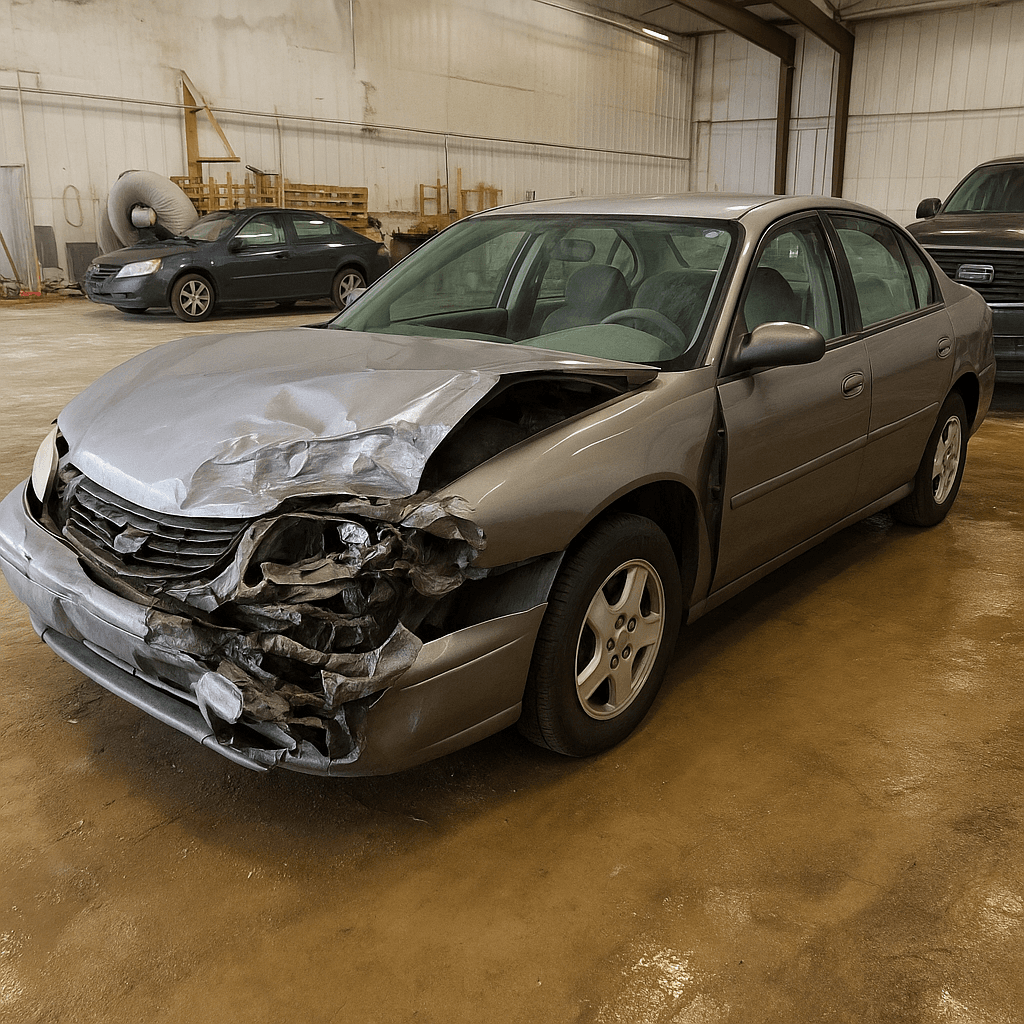
If the car's current market value is less than ten times the annual collision and comprehensive premium, most financial advisors suggest dropping those coverages and self-insuring the replacement risk. A vehicle worth $6,000 with $700 annual collision and comprehensive premium hits that threshold. Totaling the car means you lose $6,000 minus the deductible, but you've saved $700 every year you didn't file a claim. Over five years, the saved premium covers most of the loss.
If the car's value exceeds that threshold, or if replacing it from savings would strain your retirement budget, keeping collision and comprehensive makes sense. A well-maintained 2018 vehicle worth $15,000 provides reliable transportation, and a theft or total loss would force an unplanned $15,000 expense. The collision premium buys certainty: the carrier replaces the car, and your savings stay intact. Compare the annual cost against what an equivalent replacement would cost in Trenton's used market and whether you'd rather pay the premium or risk the full replacement expense.
Related Articles





How Medicare and PIP Interact After an Accident
New Jersey requires Personal Injury Protection coverage, which pays medical bills and lost wages after an accident regardless of fault. Medicare also covers medical treatment. The coordination between them matters because PIP pays first, up to its limit, and Medicare covers remaining eligible expenses.
Retirees enrolled in Medicare can select a lower PIP limit or a PIP exclusion option, reducing the premium. If you choose the medical expense PIP exclusion, Medicare becomes your primary coverage for accident-related medical bills, and the PIP premium drops significantly. The decision depends on whether you want PIP to cover deductibles, copays, and expenses Medicare doesn't pay, or whether Medicare alone handles your medical risk acceptably.
The PIP decision is separate from the collision decision. PIP covers your medical bills; collision covers your car. Dropping collision because the car is paid off doesn't require changing PIP. Similarly, selecting a Medicare-primary PIP option doesn't force you to drop collision. Each coverage addresses a different risk, and the renewal conversation should separate them.
NJ Mature Driver Discount Floor
5%
New Jersey requires every insurer to offer at least a 5 percent discount to drivers who complete a state-approved defensive driving course. The discount applies regardless of age and reduces the premium on whatever coverage you keep. Completing the course before comparing carriers ensures every quote reflects the statutory floor.
N.J.A.C. 11:3-24.3 (every insurer shall provide >=5% for approved defensive driving course; age-neutral; enabling N.J.S.A. 17:33B-44.1)
Comparing Carriers on the Coverage You Actually Keep
Once you decide which coverages to keep, compare carriers on that exact configuration. Geico, Progressive, State Farm, and Allstate all write in New Jersey and offer online quotes. Some carriers price liability-only policies more competitively; others discount bundled full-coverage policies more aggressively. The defensive driving course discount applies at every carrier, but the base premium and the total after-discount cost vary significantly.
Request quotes with the liability limits that protect your retirement assets, not the state minimum. If you're keeping collision and comprehensive, compare the deductible options: a $1,000 deductible reduces the premium more than a $500 deductible, and the difference in payout after a total loss is only $500. If you're dropping those coverages, confirm the quote reflects liability-only and verify the agent removed collision and comprehensive from the policy at renewal. Renewal notices sometimes carry over prior-year coverages automatically unless you request the change in writing.
What Happens If You Drop Coverage and Change Your Mind
If you drop collision and comprehensive mid-policy and later want to add them back, the carrier will require a vehicle inspection to confirm no undisclosed damage exists before binding the coverage. Most insurers allow coverage changes at renewal without inspection, but mid-term additions of physical-damage coverage nearly always trigger one.
If your driving pattern changes after dropping collision (you start a part-time job that increases mileage, or you take on regular caregiving trips), notify the carrier. Mileage increases can affect the premium and the risk calculation, and failing to report them can create claim disputes. The coverage decision you make at this renewal isn't permanent. You can restore collision and comprehensive at the next renewal if your situation changes, but the inspection requirement and the premium recalculation mean it's easier to keep coverage you're uncertain about than to drop it and add it back later.
Next Step: Get Quotes on Both Configurations
Request quotes on two configurations: full coverage with the collision and comprehensive deductibles you'd accept, and liability-only with the limits that protect your assets. Compare the annual premium difference against the car's current market value and what replacing it from savings would cost. Complete the defensive driving course before requesting quotes so every comparison reflects the statutory discount floor. The decision belongs to you, and the premium difference between keeping and dropping collision tells you exactly what the coverage costs per year of protection.