
The Coverage Decision Nobody Frames Clearly
You've owned the car outright for years, drive maybe 6,000 miles a year, and just opened a renewal notice carrying the same comprehensive and collision premiums you paid when the vehicle was financed. The agent never mentioned dropping either. The carrier certainly didn't. You suspect you're over-insured but nobody has given you the frame to decide.
Here's the structural reality: New Jersey requires $15,000 bodily injury per person, $30,000 per accident, $5,000 property damage, and personal injury protection coverage. Those minimums protect you from liability claims filed against you. Comprehensive and collision protect only your own vehicle. Once the loan is satisfied, no institution forces you to carry them. The decision is yours, and it hinges entirely on whether the car's current market value justifies insuring it against its own damage.
Compare rates from carriers that specialize in senior drivers
Mature driver discounts, low-mileage rates, and coverage reviews — see what you're actually eligible for.
Get Your Free QuoteNJ Bodily Injury Minimum Per Person
$15,000
This is the floor liability coverage required by New Jersey statute. It covers claims filed against you by injured parties. It has nothing to do with repairing your own car. Comprehensive and collision exist separately to cover your vehicle's physical damage, not your legal exposure.
N.J.S.A. 39:6A (state motor vehicle insurance law)
What Full Coverage Actually Covers
Full coverage is industry shorthand for a policy carrying liability, PIP, comprehensive, and collision together. Liability and PIP are mandatory in New Jersey. Comprehensive covers non-collision damage: theft, vandalism, weather, animal strikes. Collision covers damage from impacts with other vehicles or objects, regardless of fault.
When you financed the car, the lender required comprehensive and collision to protect their interest. Once you hold the title, that requirement vanishes. The state does not mandate either. You carry them only if the payout you'd receive after a total loss justifies the annual premium you're sending the carrier.
You lack the replacement-cost math: your carrier has never shown you what the vehicle would pay out after depreciation and deductible, and you're renewing blind every year.
How to Frame the Decision
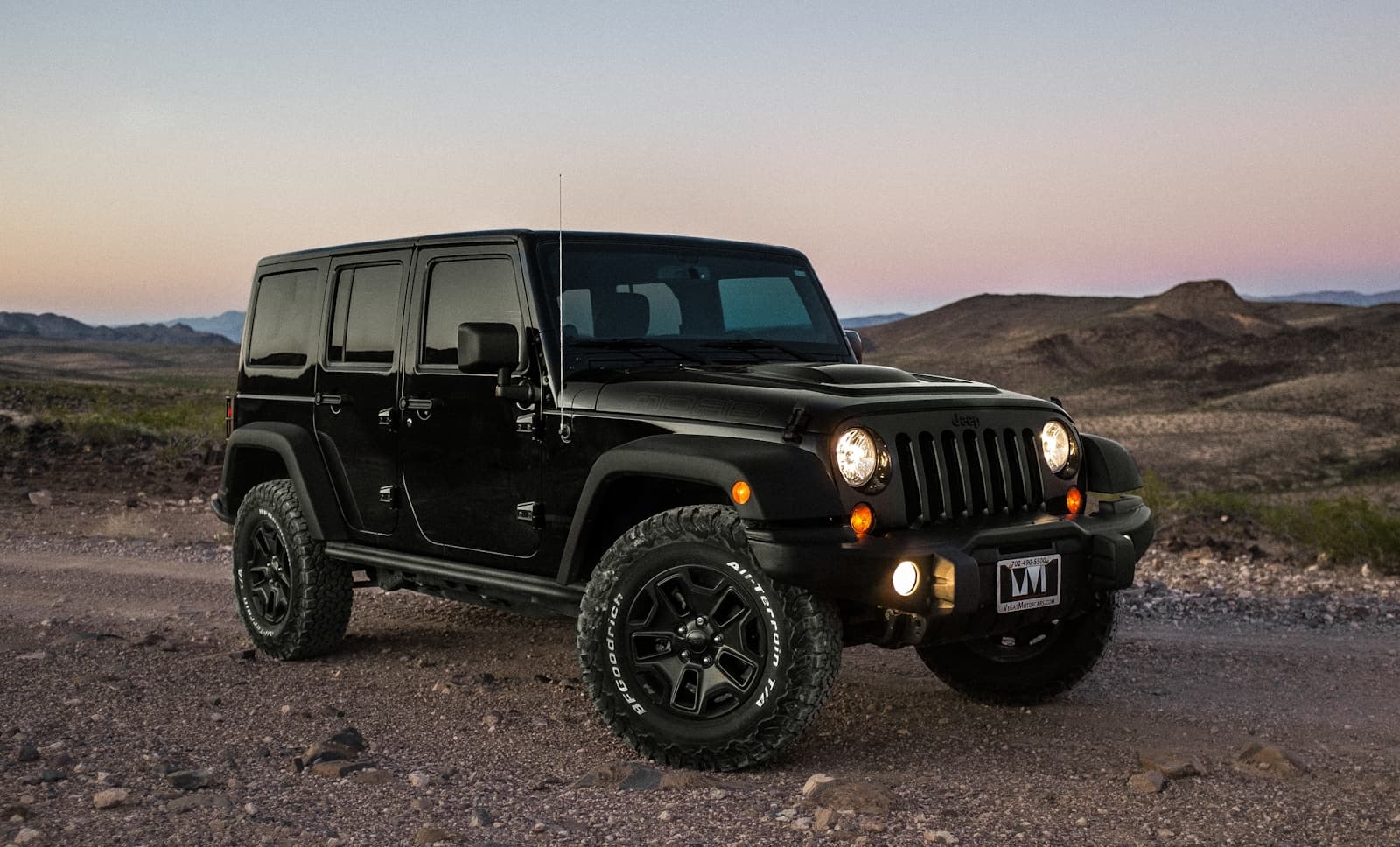
Start by pulling the vehicle's current market value from Kelley Blue Book or NADA, using the actual condition and mileage. This is what the carrier would pay before the deductible if the car were totaled tomorrow. Subtract your collision deductible from that figure. The result is the maximum net check you'd receive. If that amount is less than two years of combined comprehensive and collision premiums, you are paying more to insure the car than you would recover.
Next, consider your financial position. If losing the car entirely would force you into debt or prevent you from replacing it, comprehensive and collision still serve a purpose regardless of the math. But if you could replace the vehicle with savings or would simply drive something cheaper, the coverage becomes optional. Many retirees with paid-off cars of moderate age and low replacement cost drop both, pocket the premium savings, and self-insure the vehicle's physical damage risk.
Related Articles




What Happens When You Drop Coverage
Dropping comprehensive and collision leaves your liability, PIP, and uninsured motorist coverage intact. You remain fully legal to drive in New Jersey. The only exposure you accept is financial responsibility for your own car's damage. If another driver hits you and is at fault, their liability coverage pays for your vehicle. If you're at fault or hit a deer, you pay out of pocket.
Most carriers let you drop either coverage independently. You can keep comprehensive and drop collision, or vice versa. Comprehensive typically costs less and covers risks you cannot control: theft, hail, vandalism. Collision covers at-fault accidents, which many retired drivers with clean records and low annual mileage consider a remote probability. The state does not care which combination you choose as long as the mandatory coverages remain.
One procedural detail: notify your carrier in writing before the renewal date. Email works. State clearly which coverages you want removed and the effective date. Confirm the new premium in writing before the term starts. Some agents resist because the commission drops when you remove coverage. The decision is yours, not theirs.
NJ Mature Driver Discount Floor
5%
New Jersey requires every insurer to offer at least a 5 percent discount to drivers who complete a state-approved defensive driving course, per N.J.A.C. 11:3-24.3. The discount applies to whatever coverage you carry. Dropping unnecessary coverage and applying the course discount together can reduce your annual outlay substantially.
N.J.A.C. 11:3-24.3
The Low-Mileage Layer
Retirees who no longer commute often drive well under 10,000 miles annually. Many carriers writing in New Jersey offer low-mileage discounts or usage-based programs that price the policy around actual miles driven rather than estimated annual exposure. If you've already dropped comprehensive and collision, layering a low-mileage program on top of the leaner liability-only policy compounds the savings.
State Farm, Progressive, Nationwide, and Allstate all operate mileage-tracking or telematics programs available to New Jersey drivers. Enrollment typically requires installing a small plug-in device or using a mobile app. The carrier monitors mileage and driving patterns, then adjusts the premium at renewal. Drivers consistently under 7,500 miles per year see the largest reductions. Ask each carrier you're comparing what their low-mileage threshold is and how the discount applies to a liability-only policy.
Compare Before You Drop
Before finalizing the decision to drop coverage, compare what the leaner policy would cost across multiple carriers. Some insurers price liability-only policies more competitively than others, and a few penalize drivers who drop comprehensive and collision by raising the base rate assumptions. You want the carrier that prices the profile you actually present: experienced, low-mileage, liability-only.
Request quotes from at least three carriers writing in New Jersey with the exact coverage configuration you're considering: state minimum liability, PIP at your chosen limit, uninsured motorist, and either no physical damage coverage or comprehensive only. Specify your actual annual mileage. Apply for the mature-driver discount if you've completed an approved course. The spread between carriers on liability-only policies for retirees can exceed 40 percent, and you will not know which treats your profile best until you compare the bound quote.